Home / ADU types
ADU types we build in Boston and nearby
Four ways to add a unit, and one team that designs, permits and builds it. Which one fits depends on your zoning and on what already stands on the lot.
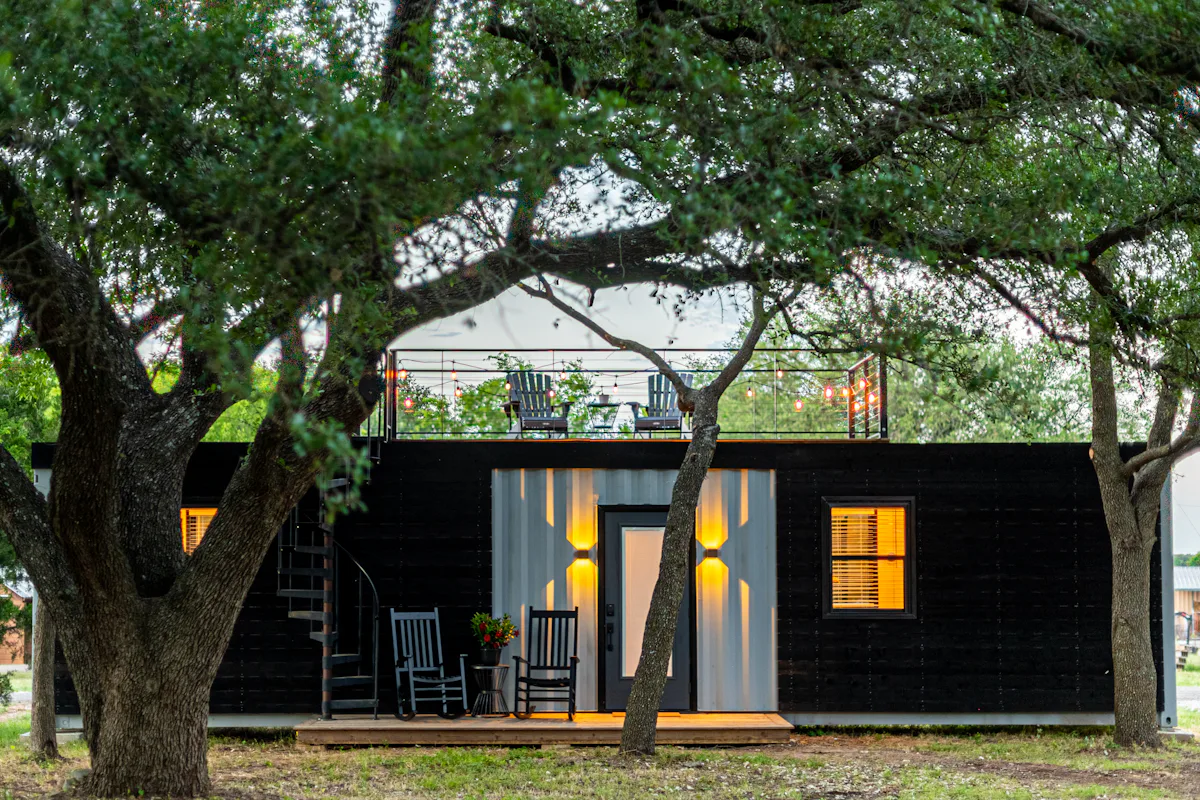
 Detached ADUNew construction in the yard. The most privacy for both households, and usually the largest budget.
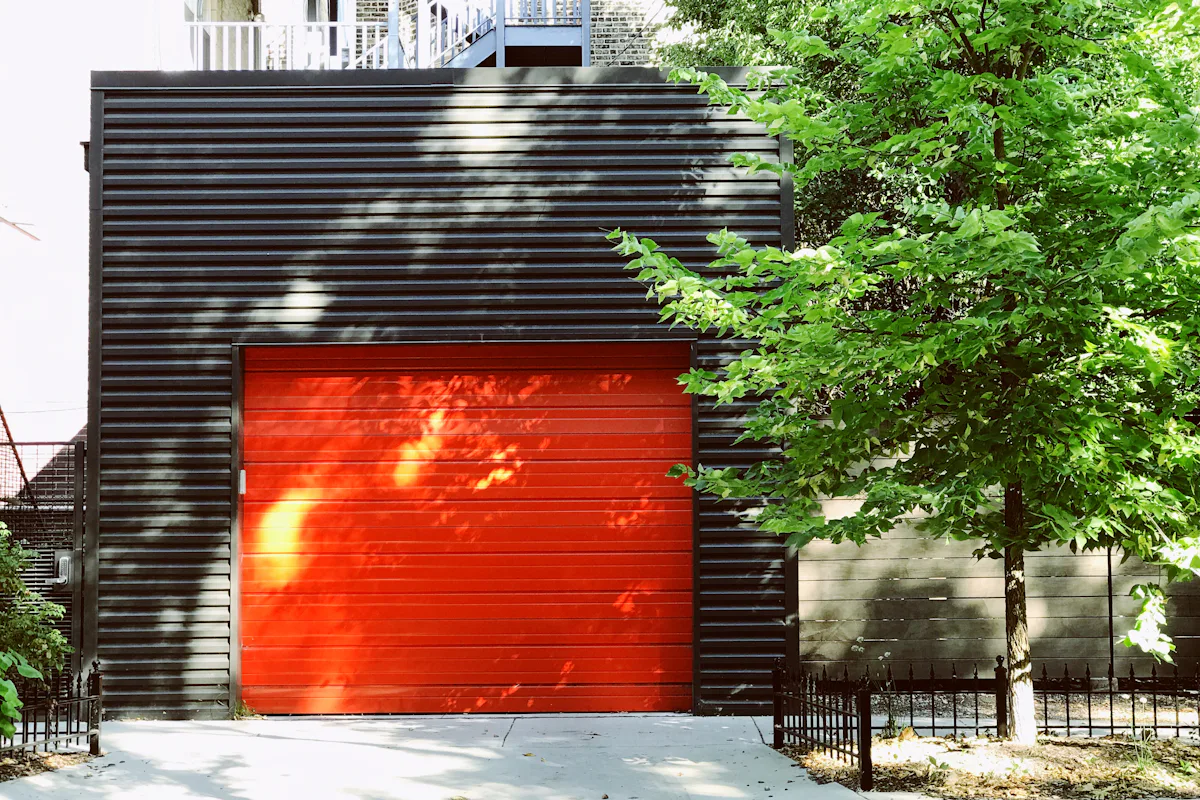 Garage or carriage house conversionStarts from an existing structure, so the condition of its frame and foundation decides the scope.
 Attached ADUAn addition joined to the house, with a separate entrance and full fire separation.
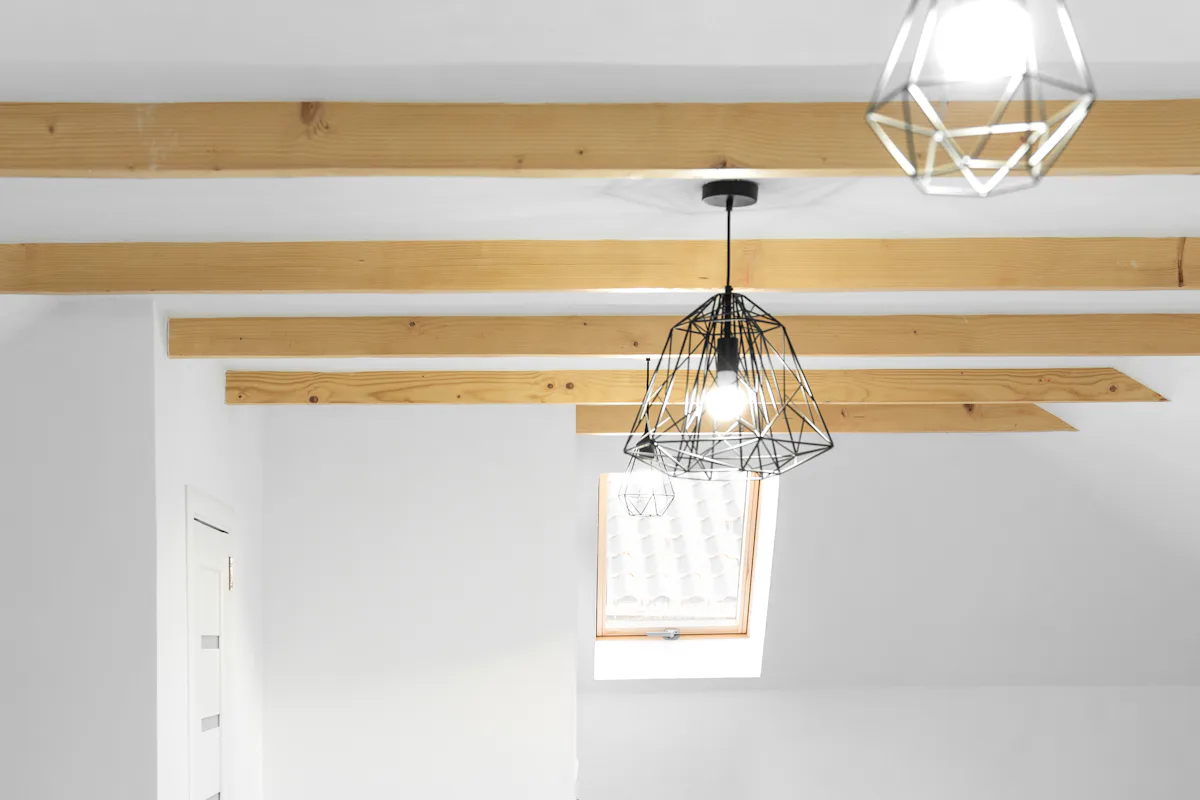 Basement or attic ADUTurns unused space inside the house into a separate unit, with no new footprint.
ADU design and permits
Survey, drawings, energy modeling and the building department filing, including any historic commission or zoning board step.
How design and permits workWhich ADU type fits a Boston-area lot?
Start with the zoning. In Quincy, Newton, Somerville and Brookline, a single-family district lets you choose between all four types under state law, subject to local setbacks and height rules. In the City of Boston, the choice is narrower for now: space inside an existing owner-occupied home everywhere, and detached units by right in Mattapan.
Then look at what you own. A sound carriage house or garage is a head start. A deep yard with a clear path from the street suits a new cottage. A tall, dry basement or a roomy attic can hold a unit without touching the footprint.
How big can each type be?
- State floor: as of October 2026, a protected-use ADU can be up to 900 sq ft or half the gross floor area of the main home, whichever is smaller.
- Local extras: some places allow more. Newton, for example, permits larger units by right in some cases and up to 1,500 sq ft by special permit for detached ADUs.
- Footprint caps: Brookline limits a detached ADU's footprint to 600 or 700 sq ft depending on the district.
- Boston: an interior ADU has to fit inside the existing building.
Does the owner have to live on the property?
Not under the state law. As of October 2026, cities and towns covered by it cannot require owner occupancy for a protected-use ADU. Boston is different: its current ADU allowance is written for owner-occupants.
Rules as of October 2026, from Mass.gov ADU guidance, the City of Boston and Boston Planning Department, the City of Newton and the Town of Brookline. Local rules change, so we confirm yours before design.
Not sure which type fits?
Send your address. We check the zoning and what is already on the lot, then tell you which types are worth pricing.